


Strategy
8 min read
Everyone knows a good location helps. Almost no one knows how to choose when the floor plan arrives with 30 numbered zones and a 48-hour deadline. Your trade show booth location is a strategic decision. Here are 7 rules to get it right.



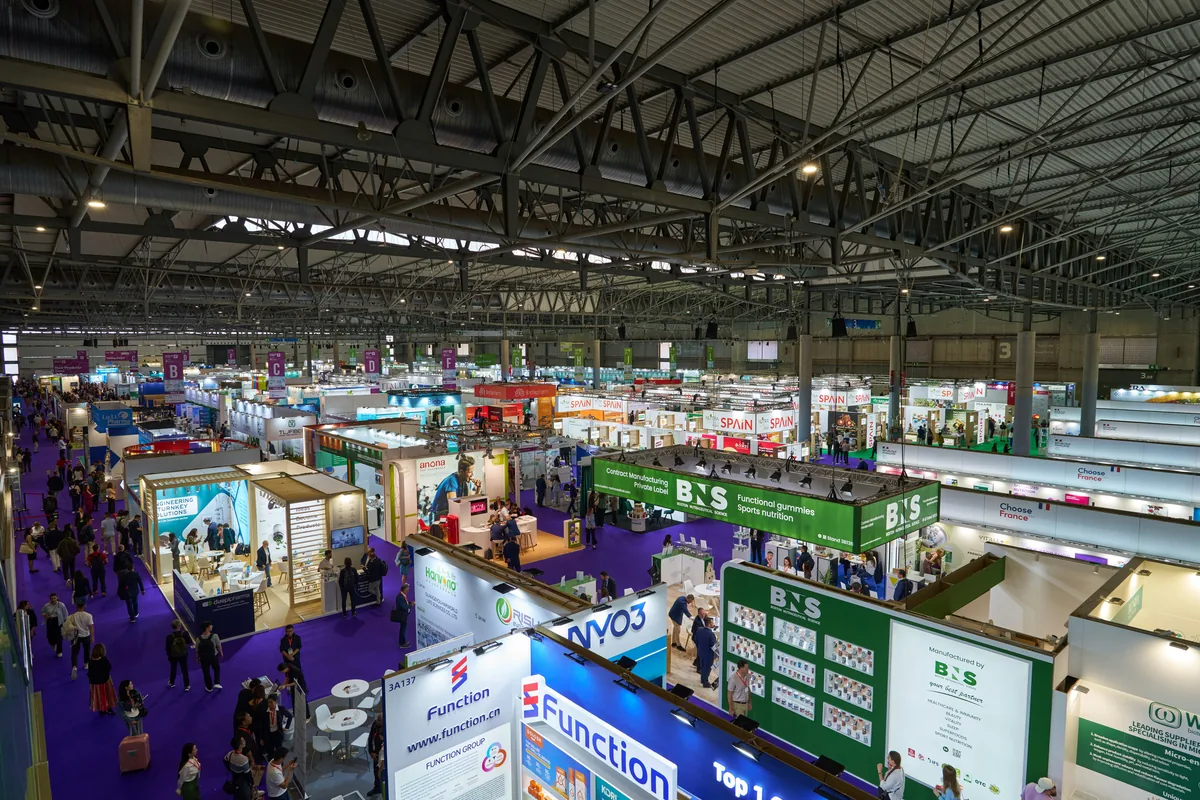
The first instinct is to look at the map and point to a spot that looks "well-placed." That’s the wrong approach. Before looking at the plan, ask yourself: how do visitors actually move through this specific show? Not just on paper, but in the venue itself.
Depending on the booth layout, as well as activations and other strategic points, not all visitors go everywhere. At a large trade show with multiple halls, a significant portion of the audience may never even step foot in Hall B. The main arteries are the entrances, central aisles, and major intersections. This is where traffic is natural, dense, and constant, without your team needing to make any special effort to grab attention. A spot on a main aisle makes the foot traffic work for you. A spot in a secondary zone forces you to compensate in other ways. Have you thought about those?
Dead zones exist at every trade show and on almost every floor plan. The back of the hall, isolated corners, or secondary aisles that lead to a service wall or the restrooms: these spots suffer from two problems at once. They see very few visitors, and the visitors who do arrive are often at the end of their visit, tired, and less receptive.
A dead zone isn't always where you expect it to be. A front-facing spot can be a dead zone if the aisle in front of it is a bypass that no one actually uses. The best way to spot dead zones before choosing is to visit the show as an attendee during a previous edition, ask an exhibitor who has participated, or better yet, discuss it with your booth agency (the AUKARÉ team knows trade show aisles by heart!). What you see on a floor plan doesn't always reflect real-world traffic.
Certain elements at a trade show naturally attract visitors: booths from major industry brands, conference areas, activation zones, and catering areas. These magnets create traffic flows that spill over into their surroundings. Positioning yourself nearby can allow you to capture some of that flow without having to generate it yourself.
It’s a double-edged sword. Catering attracts crowds, but those people are there to eat, not to buy. Conference areas attract qualified leads, but while sessions are in progress, the aisle is empty. You need to understand the type of traffic each magnet generates before deciding to set up nearby.
Being neighbors with a direct competitor is neither automatically good nor bad. It is a reality that requires a clear response. If you are right next to each other, visitors will compare you. It’s an opportunity if you have something distinctly different to show. It’s a risk if your message, design, or offer looks just like theirs.
The rule of thumb: if you are close to competitors, strengthen your visual differentiation beforehand and clarify your value proposition from the very first few feet of your booth. This isn't a location problem; it's a positioning problem. The location just reveals it; it doesn't create it. Your booth configuration plays a decisive role here: an open or semi-open booth allows you to capture visitors in a dense environment without creating a visual barrier between you and the aisle.
A location can have high traffic but poor visibility. Conversely, a location can have moderate traffic but excellent visibility. The two are not the same. Long-range visibility depends on the height restrictions allowed in that hall (some organizers impose varying height limits depending on the zone), the viewing angle from adjacent aisles, and how open the booth is to the main aisle.
A booth visible from ten meters away is spotted before the visitor has even decided to approach. This is an advantage that comes into play before the decision to enter is made. At busy trade shows where visitors move quickly, this long-range spotting is often what determines whether they stop or keep walking.
The ideal location for a maximum brand awareness goal is not the same as the ideal location for qualified meetings. On a high-traffic main aisle, you maximize visibility and lead volume. In a quieter area, you encourage longer, more in-depth conversations with prospects who have made the effort to come find you.
Many exhibitors choose a location thinking about brand awareness when their real goal is conversion. The result: a very busy booth, few qualified leads, and a team exhausted from managing a flow that doesn't produce results. Defining your primary goal for the event before choosing a location changes your selection criteria. It is also what allows you to then turn a booth into a lead-generation machine rather than just a reception desk.
The final rule is perhaps the most underestimated. A visitor does not behave the same way at the entrance of the show as they do after an hour of walking. At the start of their journey, they are curious, available, and open to discovery. In the middle of the show, they know what they are looking for and head straight for it. By the end, they are tired, selective, and their attention span has dropped.
Positioning your booth on the path back to the main exit can be a relevant strategy if your offer is simple, quickly identifiable, and if your team knows how to engage visitors in "return" mode. This is not the right place for long demonstrations. Positioning your booth at the entrance is ideal if you want to capture visitors before they have been approached by your competitors, but it requires particularly strong signage to stand out from the very first few meters.
A good location is not chosen on a floor plan. It is chosen based on actual foot traffic, the goals of your participation, and visitor behavior at that specific point in the show. A bad location with a strong booth and a prepared team will yield better results than a good location with a generic booth and a team that is improvising. What the location won't do for you: qualify your leads, build your sales pitch, or follow up with your contacts after the show. To measure whether your overall participation has produced a real return: how to calculate the ROI of a trade show.
There is no universally best location. It depends on your goal: maximum visibility? Main aisle, near the entrances. Quality meetings? A quieter, less dense area. The best location is one that is aligned with your participation strategy, not the one closest to the center of the floor plan.
By visiting the show during a previous edition or by asking a recurring exhibitor. A floor plan does not show actual traffic flow. The back of the hall, isolated corners, and secondary aisles that lead to technical access points are the zones to avoid first, even if they are cheaper.
Neither is systematically better. Being near a competitor allows you to benefit from the same flow of qualified visitors, but you must clearly differentiate yourself through your visuals and messaging. Being far from them avoids direct comparison, but you lose that clustering effect. Everything depends on the strength of your differentiation.
No. Location determines the volume of visibility. It does not determine the quality of interactions, lead conversion, or post-show follow-up. A well-placed booth with an unprepared team or no lead capture system will perform worse than a moderately placed booth with a well-oiled sales process.
Yes, and it is often a good decision to do so if the results from the previous edition did not meet your objectives. Some organizers give booking priority to returning exhibitors, which allows you to make a strategic location request before new entrants.
Are you still here? Good news. We’ve got more to share with you. Short, to-the-point articles, written for those who are preparing for a trade fair and setting up their stand but don’t have time to read novels.





@2026 AUKARÉ all rights reserved.