

Strategy
7 min read
In 2026, the trade show market is entering a post-pandemic phase of maturity: physical events have reaffirmed their irreplaceable value for generating qualified leads and building B2B business relationships. In this context of revaluation, 2026 booth trends reflect higher standards, with exhibitors investing less in volume but demanding more in strategic precision and measurable impact. Here is an overview of the five trends that will shape event design this year, with concrete implications for your design decisions.



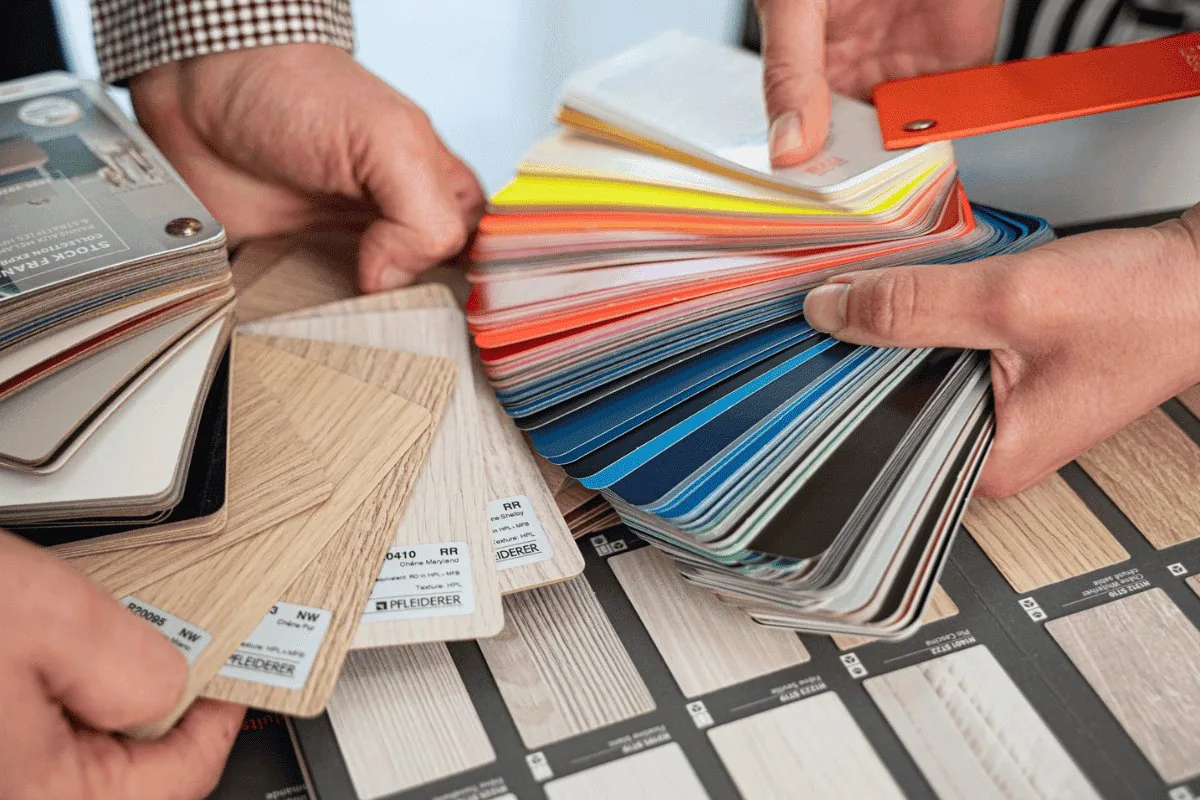
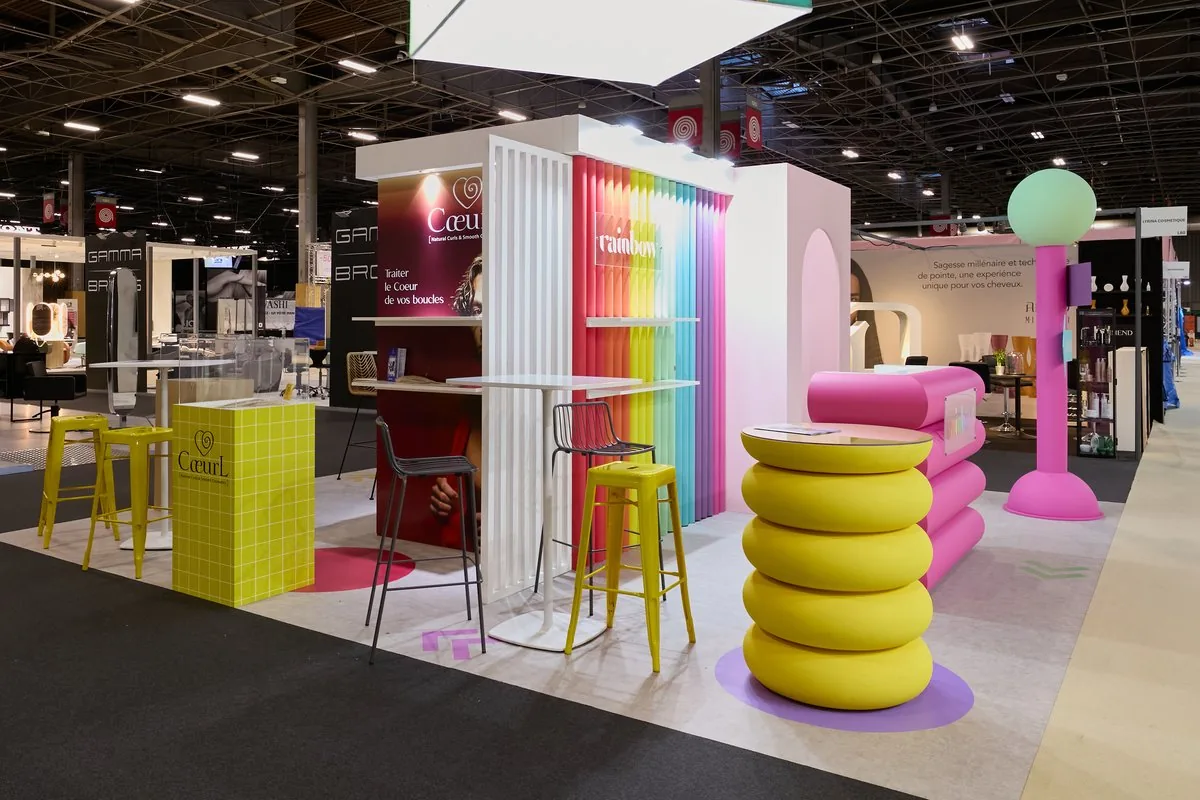
Booths with right angles and strict lines are gradually giving way to architectures with organic shapes: curves, rounded volumes, arched structures, and non-orthogonal partitions. This evolution is not just aesthetic; curved shapes naturally create intimate spaces conducive to business discussions and break the visual monotony of exhibition aisles.
Compatible with small spaces?
Yes, even on 12 m², a rounded corner on the reception counter or a curved partition at the back of the booth significantly changes the perception of the space and the memorability of the setup.
The digitalization of booths is reaching maturity. Giant facade screens, ubiquitous five years ago, are giving way to more subtle and functional technological integrations: built-in interactive counters, custom LED walls, smart mirrors, and touch interfaces flush with surfaces.
A strong signal: technology that "shows off technology" is on the decline. Technology that facilitates the experience or improves visitor qualification is on the rise. In 2026, the best digital tool on a booth is one that the visitor doesn't need to figure out in order to use.
Theimmersive booth experience is becoming a major differentiator, but 2026 marks a turning point. We are moving from spectacular immersion (360° video tunnels, generic VR headsets) to more targeted experiences directly linked to the exhibitor's value proposition.
The most effective immersion is the one that shortens the conversion cycle : allowing the visitor to experience something directly related to how they will use your product or service in the future.
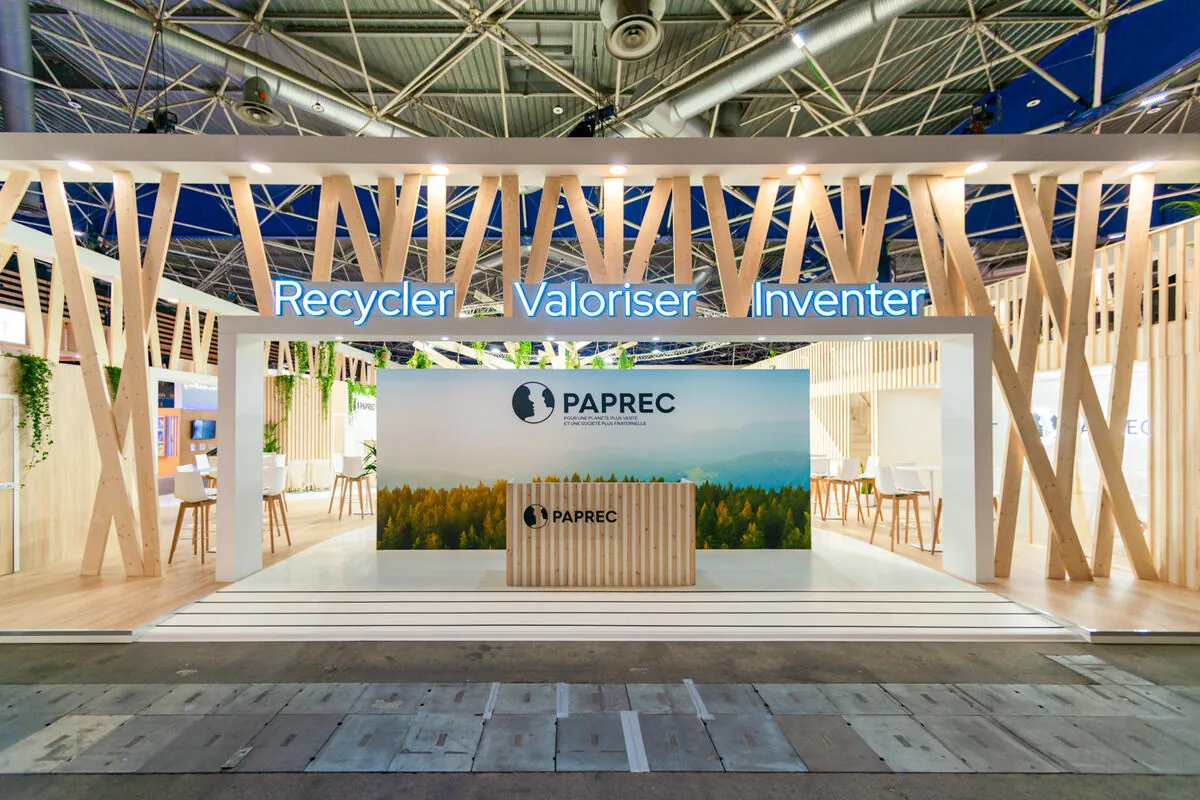
Eco-friendly booth design is no longer just a CSR option for environmentally conscious companies. It is becoming a selection criterion in tenders, a key differentiator at trade shows, and a signal of consistency between brand messaging and actual practices.
This trend also has a direct economic impact: an eco-designed booth is generally built to last (robust materials, reusable structures, replaceable graphic systems, etc.), which reduces the total cost of ownership over time.
Read also : Eco-designed stands: how to combine sustainability with your stand design
The most defining trend of 2026: the stand as a content production hub. Leading companies are now integrating dedicated speaking areas into their setups—such as mini-stages, podcast studios, and interview zones—to produce live content during the event.
From LinkedIn videos filmed on-site to client interviews and flash roundtables, a three-day trade show can generate four to eight weeks of content for professional social networks. This way, the reach of your investment extends far beyond physical visitors to engage your entire digital audience.
Behind all these trends lies a constant reality: their effectiveness depends entirely on the clarity of the objectives driving them. An immersive booth without a defined visitor journey, technological integration without an identified use case, or eco-design without a guiding brand narrative—all of these result in costly setups that miss their mark.
Agencies that master these 2026 booth trends, like AUKARÉ, are those that prioritize business objectives and the desired experience before deploying design tools. A trend is a vehicle, not an end goal.
2026 booth design trends are converging toward a single horizon: setups that are more intentional, better aligned with business goals, and more measurable in their impact. Spectacle for the sake of spectacle is giving way to data-validated efficiency. To stay on trend while managing your investment, start by clearly formalizing your participation objectives before briefing your agency. Shall we discuss it ?
Are you still here? Good news. We’ve got more to share with you. Short, to-the-point articles, written for those who are preparing for a trade fair and setting up their stand but don’t have time to read novels.





@2026 AUKARÉ all rights reserved.