

Strategy
7 min read
A poorly constructed trade show brief is the root cause of most post-event disappointments: a setup that doesn't align with your brand image, a booth budget that spirals out of control, or missed deadlines. These situations aren't accidents; they are the result of an incomplete project specification and poor communication between the company and its booth design agency. Here are the three most common mistakes and how to avoid them.




"We want something modern with our brand colors and open spaces" is a decorative starting point, not an operational booth brief . A high-performing booth is, first and foremost, a sales tool. Describing the desired look without defining your participation goals is like ordering a car by specifying the paint color without mentioning what you need it for.
Rule: the brief must always start with your objectives (leads, brand awareness, demos, meetings) BEFORE aesthetic constraints. The agency should derive the design from the objectives, not the other way around.
Read also: 5 booth design trends that will dominate trade shows in 2026
Why success criteria are often missing
Without success criteria defined upfront, post-show evaluation becomes subjective and contentious. "The booth looked great" vs. "we didn't get enough leads"—these two conflicting viewpoints often coexist regarding the same project due to a lack of shared objectives from the start.
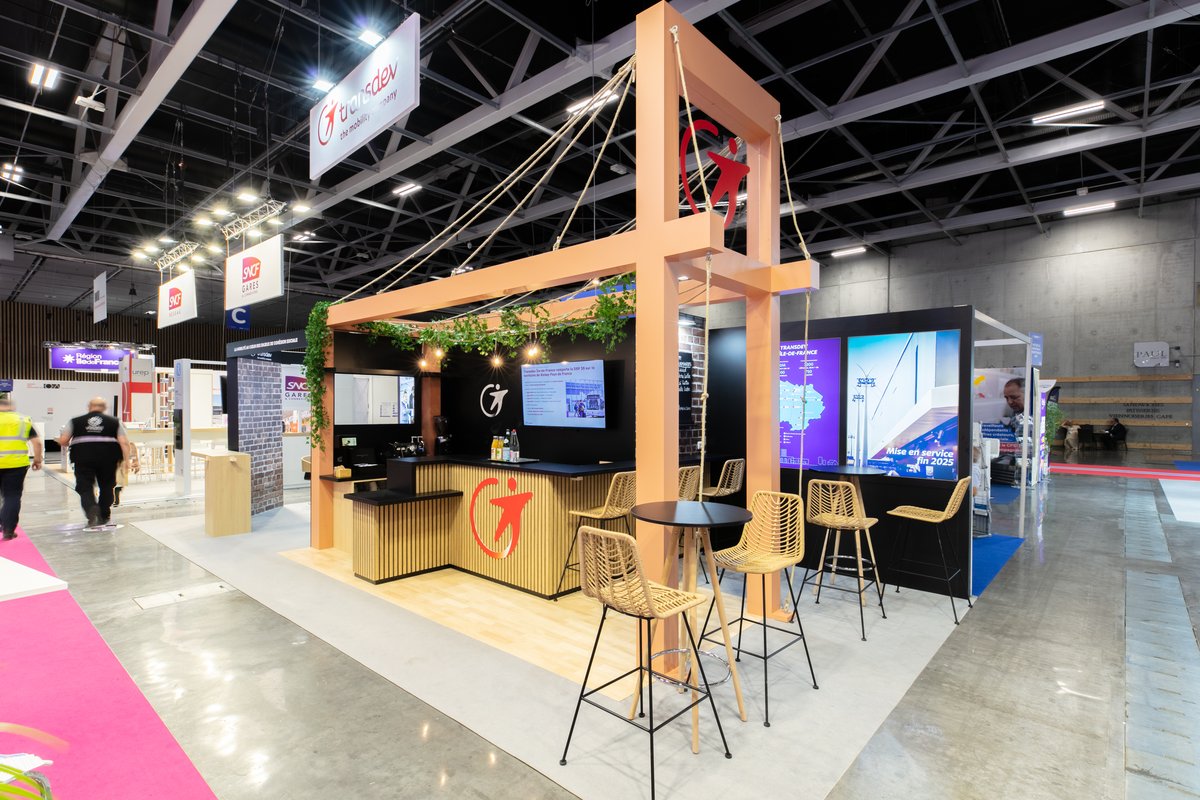
Every trade show has its own technical regulations: maximum permitted height, setback distances from aisles, mandatory fire-retardant materials, signage rules for facades, and available electrical power. Ignoring these constraints during the briefing stage guarantees a partial or even total redesign once the organizer reviews your plans.
The consequences are immediate: compressed timelines, additional modification costs, and friction with the agency. In the worst cases, it leads to a complete overhaul just weeks before the show.
Trade shows outside of France (CeBIT, Hannover Messe, Fruit Logistica, etc.) apply regulations that are sometimes radically different from French standards, particularly regarding fire safety, electrical certifications, and assembly rules. These specifics must be explicitly included in the booth specifications submitted to your agency.
The booth architecture, demo zones, lead capture tools, and the pitch tailored to visitor profiles must all be developed with your field teams before the briefing (as well as during and right before the event). In fact, the team briefing is often the missing link between a well-designed booth and a profitable trade show participation. Once the booth zones are defined and built, it only makes sense to turn them into the best possible sales environment with a team that is perfectly prepared.
Key figure: according to event marketing studies, 70% of the visitor experience at a booth is determined by human interaction, not by architecture or visuals.
Ideally during a setup session the day before the event. Teams can visualize the setup in real-world conditions, ask questions in context, and leave with a precise mental map of the space they will be managing.
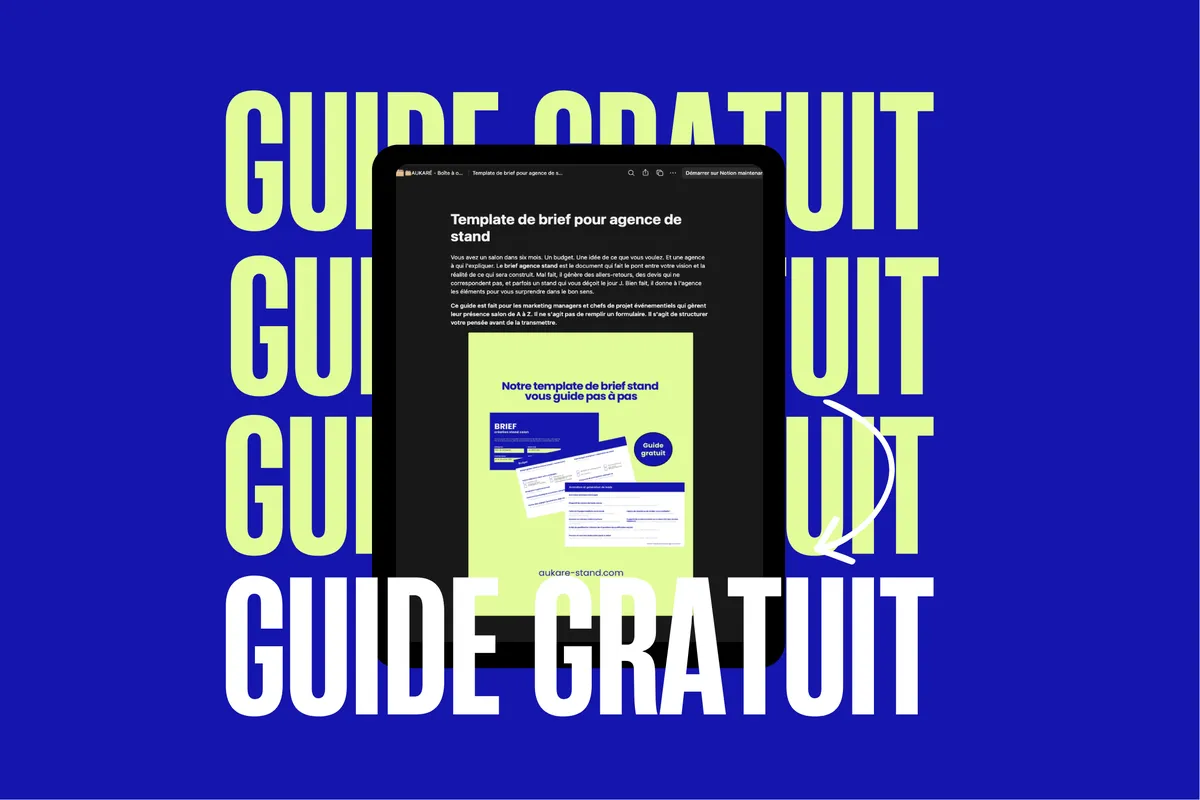
This document serves as your shared reference with the agency and your contractual protection should the final result deviate from the brief. It should be drafted internally before your first meeting with the agency, not during it.
Time invested in the brief is time saved on everything else. A precise booth brief reduces back-and-forth, secures deadlines, controls costs, and ensures your setup aligns with your participation goals. It is the most cost-effective intangible investment in the entire trade show production chain. Strategic advice: organize an internal briefing workshop (marketing, sales, logistics) before meeting with your agency. Priority trade-offs must be made internally; your agency is not there to resolve your internal disagreements, but to translate your decisions into a brand experience on the ground. When you are ready, let's discuss your next booth brief ?
Are you still here? Good news. We’ve got more to share with you. Short, to-the-point articles, written for those who are preparing for a trade fair and setting up their stand but don’t have time to read novels.





@2026 AUKARÉ all rights reserved.